

2026 - 2030 Strategic Plan
ORGANIZATIONAL PILLARS
-
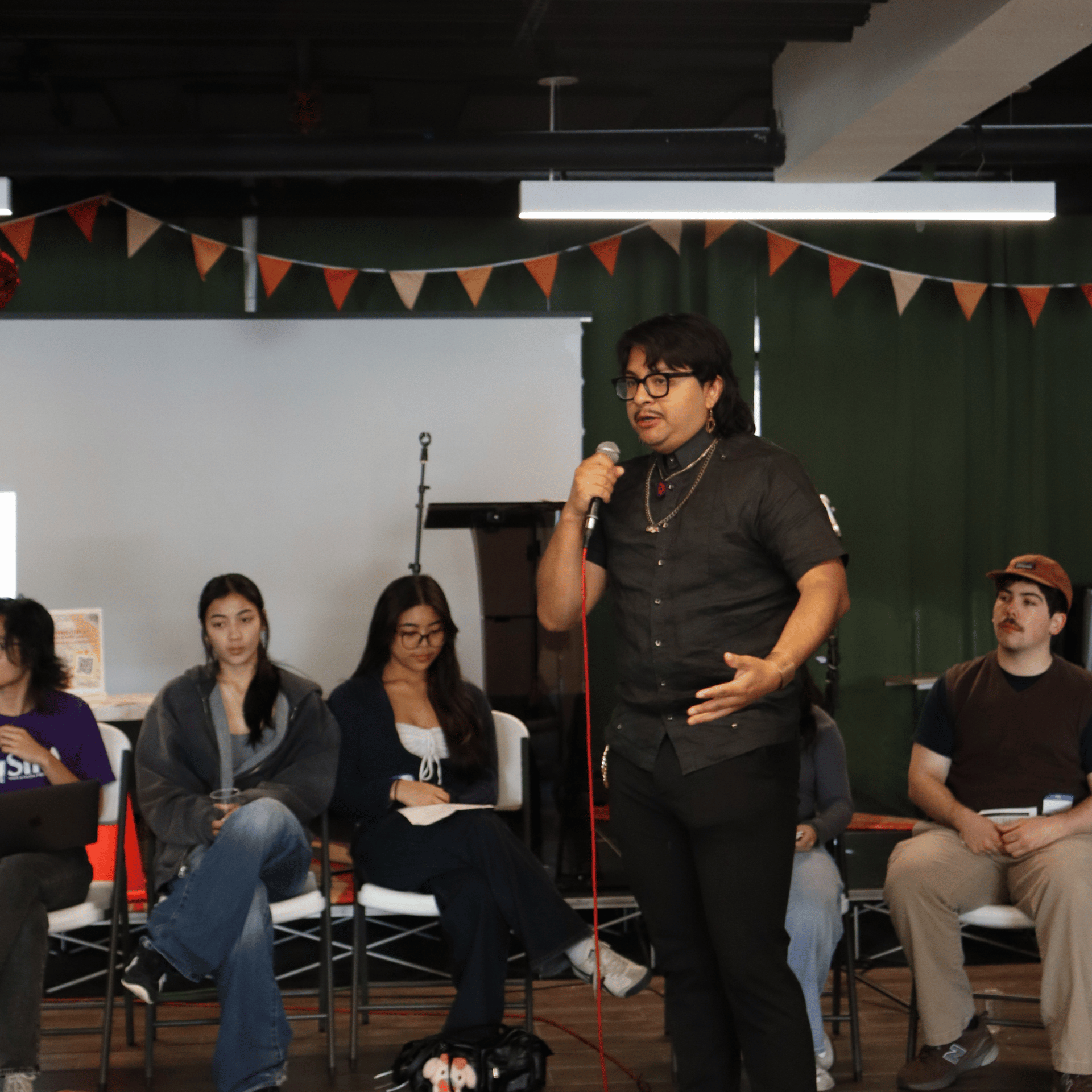
Cultural Roots & Leadership:
Previously called ‘Youth Programs’, this initiative was restructured to better respond to the evolving landscape of HiFi and neighboring communities. We envision a community of powerful young people, ages 6 to 26, leading social change by developing leadership rooted in Filipino & BIPOC identity exploration. SIPA has evolved its model to retain flagship cultural enrichment and to introduce cultural power building, integrating healing and community mobilization throughout HiFi and Los Angeles County.
-
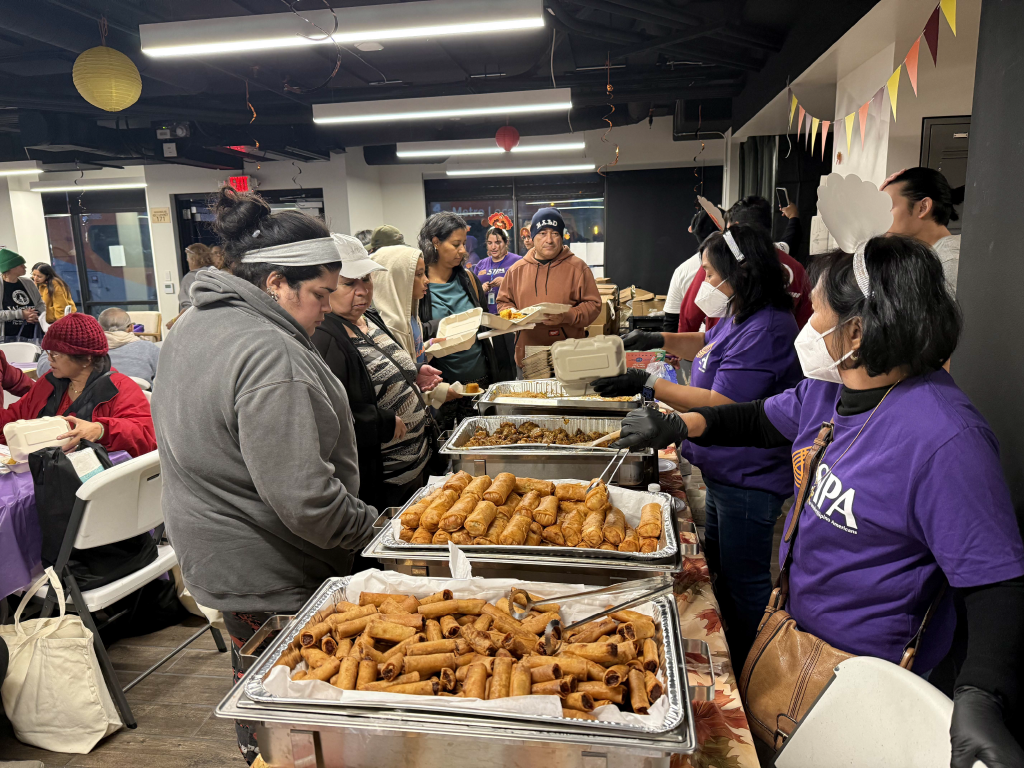
Support, Access, Navigation, Agency (SANA):
Formerly known as Mental Health and Health & Wellness, SANA takes a holistic approach to addressing mental health and holistic well-being. SIPA envisions a community that is not only surviving but thriving— where people can pursue collective and individual healing, meet their basic needs, and access resources. To achieve this, SIPA offers culturally centered, in-language programs that fill health equity gaps and address social determinants, alongside clinical services to enhance well-being.
-
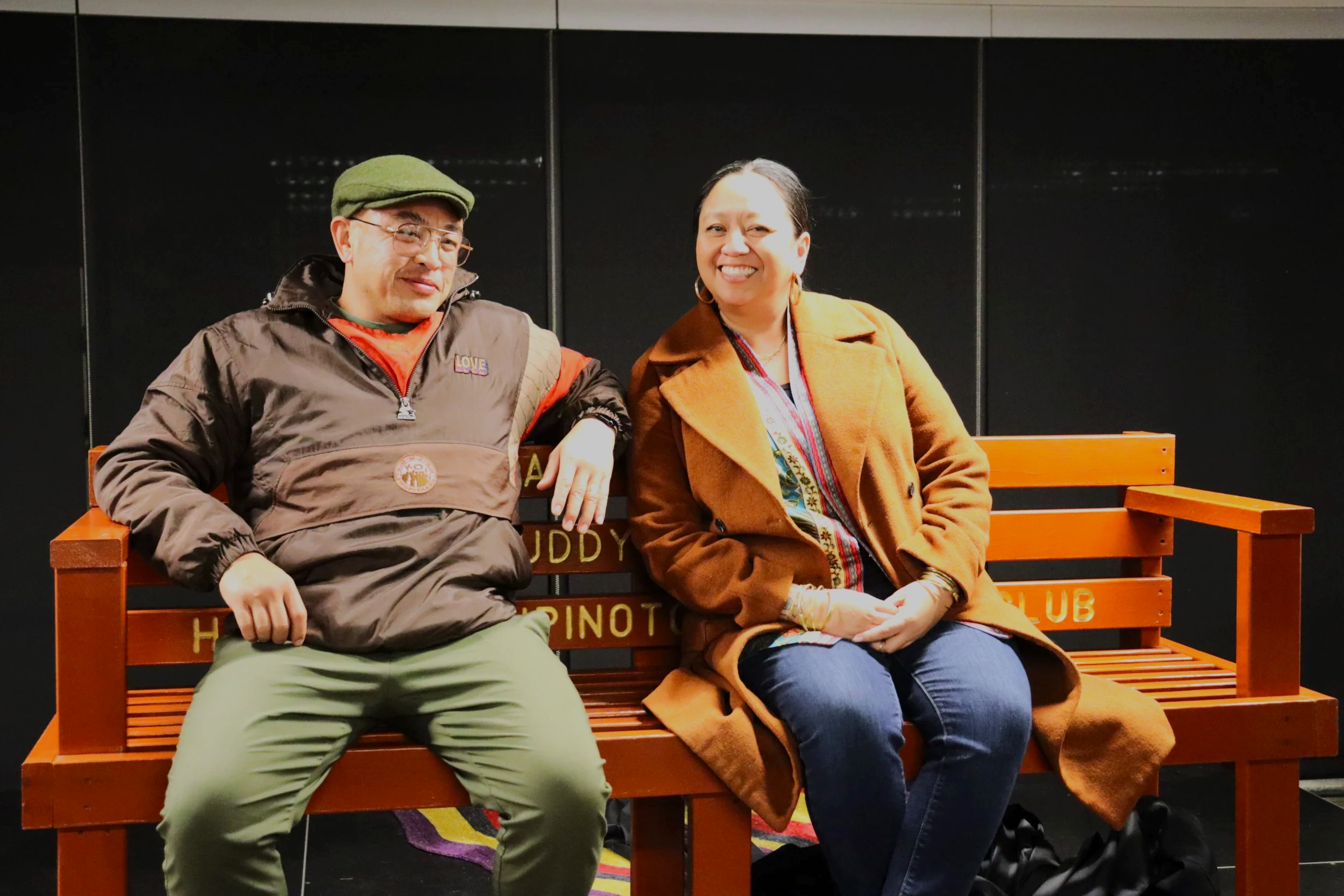
Community Economic Development:
Since 1972, SIPA has supported the Filipino American community in what is now Historic Filipinotown, Los Angeles. SIPA focuses on cultural placemaking, small business support, and affordable housing and remains dedicated to the economic and cultural vitality of Los Angeles. For over 20 years, SIPA has successfully developed and operated affordable housing in and around Historic Filipinotown, while also providing supportive services to residents.
THEORY OF CHANGE
-
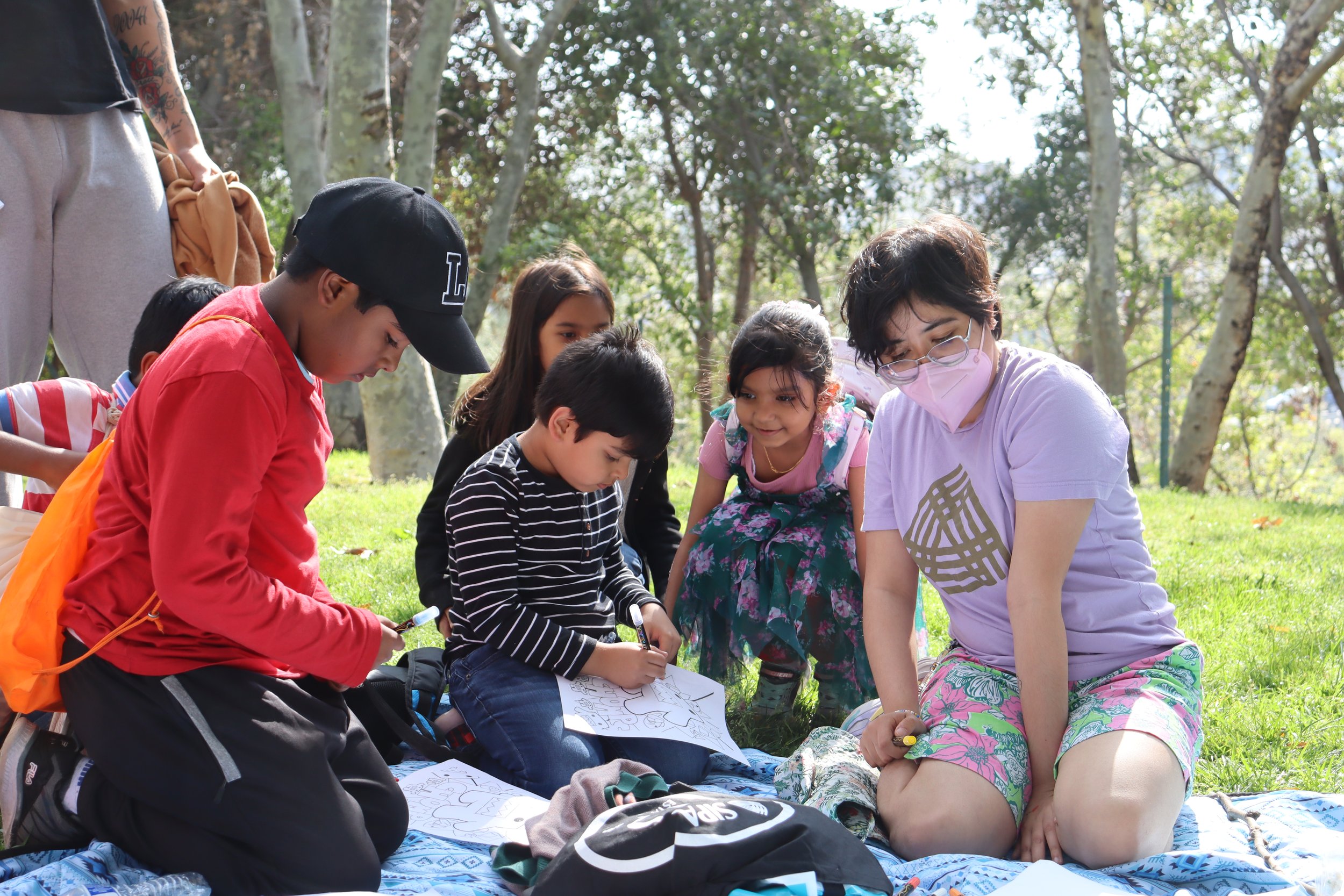
SIPA envisions a world where expansive possibilities reside, culture is honored, and everyone thrives. From building young leaders to community care, SIPA is where transformation advances – one step, one story, and one family at a time.
-
Strengthened the power of Filipino American youth across Los Angeles to address issues relevant to their communities.
More Filipino American youth are self-affirmed in their identity and feel a sense of belonging to a shared community.
A supportive pipeline empowering youth to build leadership and move collectively to affect change is established.
Improved health and well-being of low-income immigrants and communities of color in Historic Filipinotown and Los Angeles County.
More Filipino Americans access mental health services.
More residents in HiFi and surrounding areas take steps to improve their personal health and well-being.
Enabled Historic Filipinotown to thrive.
The multi-racial diversity and enduring legacy of Filipino American history come alive in its vibrant Infrastructure and cherished cultural spaces. Rent affordability for residents and small businesses is preserved.
-
Strengthen partnerships with trusted culture bearers, artists, organizations, and small businesses.
Advance stigma reduction, mental health literacy, and healthy coping skills by centering collective and community healing practices that resonate throughout all programs.
Develop new programs while continuously refining existing programs.
Establish youth-centered pathways for community involvement, action, and leadership.
Engage community members to inform and expand SANA’s programs and strengthen the workforce pipeline.
Strengthen the voice of Historic Filipinotown residents, small businesses, and legacy organizations in Los Angeles City and County decisions.
Evaluate the financial viability of affordable housing properties and propose sustainable options for moving forward.
Support the incubation, growth, and expanded presence of small businesses in Historic Filipinotown.
Support the creation of a comprehensive community plan for Historic Filipinotown.
Deepen involvement in advocacy efforts related to affordability, prevention, and displacement for residents and small business owners.
-
Intergenerational harm and trauma
Erasure of people of color and immigrants
Inequitable and limited access to critical needs and services
Practitioner and community worker burnout
The current political climate is anti-immigrant, DEI, LGBTQ+, and threatens access to basic needs.
Socioeconomic disparities and instability
Neighborhood and built environment inequities
-
The intersections of all forms of systemic oppression, including:
Racism, inclusive of xenophobia and anti-Blackness
Classism, inclusive of poverty, widening wealth gaps, and capitalism
Patriarchy, including sexism, heterosexism, cisgenderism, and gender-based violence
Adultism
Colonization and militarization of countries of origin
PRIORITIES, GOALS, AND STRATEGIES
Priority Area: Cultural Roots & Leadership
Since its founding in 1973, SIPA’s flagship programs have have co-created spaces with with youth ages 6-26 to strengthen cultural identity, build community, and develop leadership skills that they can put into action to achieve collective change. SIPA is proud of this decades-long legacy, with SIPA youth having gone on to become community and civic leaders, academics, entrepreneurs, artists, healers, and private- sector professionals who attribute their success to the community that raised them at SIPA. SIPA continues to invest in youth, given that young people have historically and continue to play a central role in movements for social change. SIPA’s Cultural Roots and Leadership programs apply an approach rooted in Filipino and BIPOC identities that transforms individual development into a shared power, strengthening young people’s ability to see themselves as part of a larger community with common struggles and shared futures.
Priority Area: SANA
Filipino Americans and immigrant families continue to experience health disparities rooted in decades of inequitable policies, generational trauma, and systemic barriers exacerbated by the COVID-19 pandemic. These inequities are reflected in everyday experiences such as food insecurity, lack of insurance, housing instability, language barriers, and limited access to culturally responsive care. SANA (Support, Access, Navigation, and Agency) was created in response to these lived experiences. We believe that every person deserves to feel safe, supported, and connected in their community. Our work expands access to high-quality, affordable or free, and culturally responsive health and mental health services.
Through mental health services, resource navigation, workshops, and culturally grounded healing spaces, SANA supports community members facing challenges that impact health.
We connect families to essential supports while creating spaces where people can learn, share experiences, and build healthy coping skills. By reducing stigma and making information easier to understand, we strengthen confidence and self-advocacy. Together, these efforts help minimize systemic barriers and create the stability needed for individual growth, stronger families, and healthier lifestyles across our community.
Priority Area: Community Economic Development
SIPA’s commitment to the neighborhood of Historic Filipinotown in Los Angeles dates back to its origins. The neighborhood affectionately known to the community as Pilipinotown or P-town is adjacent to Echo Park and Silverlake and comprises parts of Westlake, Rampart, and Angeleno Heights. Given the official designation by the City of Los Angeles in 2002, Historic Filipinotown, or HiFi, has been the home to hundreds of thousands of Filipinos who immigrated from the Philippines to Los Angeles. SIPA has been in this neighborhood for the past 53 years, with Community Economic Development (CED) programs including small business counseling, cultural placemaking, and affordable housing.
In 2024, SIPA paused the Small Business Program as we focused on stabilizing our two other program departments. CED will remain a priority for SIPA, with a local focus on Historic Filipinotown.
BY 2030, SIPA Will…
-
Strengthen partnerships with trusted culture bearers, artists, organizations, and small businesses to support the design and delivery of Cultural Enrichment programming.
Develop new Cultural Enrichment programming and continuously improve existing programs.
-
Strengthen the Youth Advisory Board to be a decision-making body that elevates youth voice and fosters the co-creation of youth-facing programs.
Strengthen the Youth Fellows program by co-creating project-based opportunities to build leadership and establish defined roles within SIPA’s programs.
Establish youth-centered pathways for community involvement, action, and leadership on issues affecting Filipino-Americanand immigrant communities.
-
Evaluate the financial viability of each property and propose options for moving forward.
Maintain property operations, including asset management, coordination with property management companies, co-General Partners, and Limited Partners.
-
Support the incubation, growth, and expanded presence of small businesses in HiFi.
Strengthen referrals for small business counseling, Entrepreneur Training Program, and other small business resources.
-
Support the execution and funding of proposed community planning processes.
Deepen involvement in advocacy efforts related to affordability, prevention, and displacement for residents and small business owners.
Strengthen the voice of Historic Filipinotown residents, small businesses, and legacy organizations in LA City and County-wide decisions that impact Historic Filipinotown.
-
Assess the financial viability of commercial property acquisition by 2030 and beyond.
-
Increase staff and organizational capacity to deliver bilingual and cultural services.
Strengthen and streamline SIPA’s wraparound navigation, linkages, and processes to bridge gaps between community members and essential services.
Establish a sustainable infrastructure that provides access to food and essential resources to 3,000 low-income immigrant families.
• Intentionally deliver culturally relevant community-based health and wellness education.
-
Develop a wraparound mental health service model that includes prevention, support groups, clinical therapy, and resource navigation supported by strong supervision and quality assurance.
Center collective and community healing practices to promote stigma reduction, mental health literacy, and healthy coping skills.
-
Develop a community to social services workforce pipeline.
Establish formal structures that center community input to inform and drive SIPA’s program design and implementation.